Feb 2024 - Mar 2025
In Brief
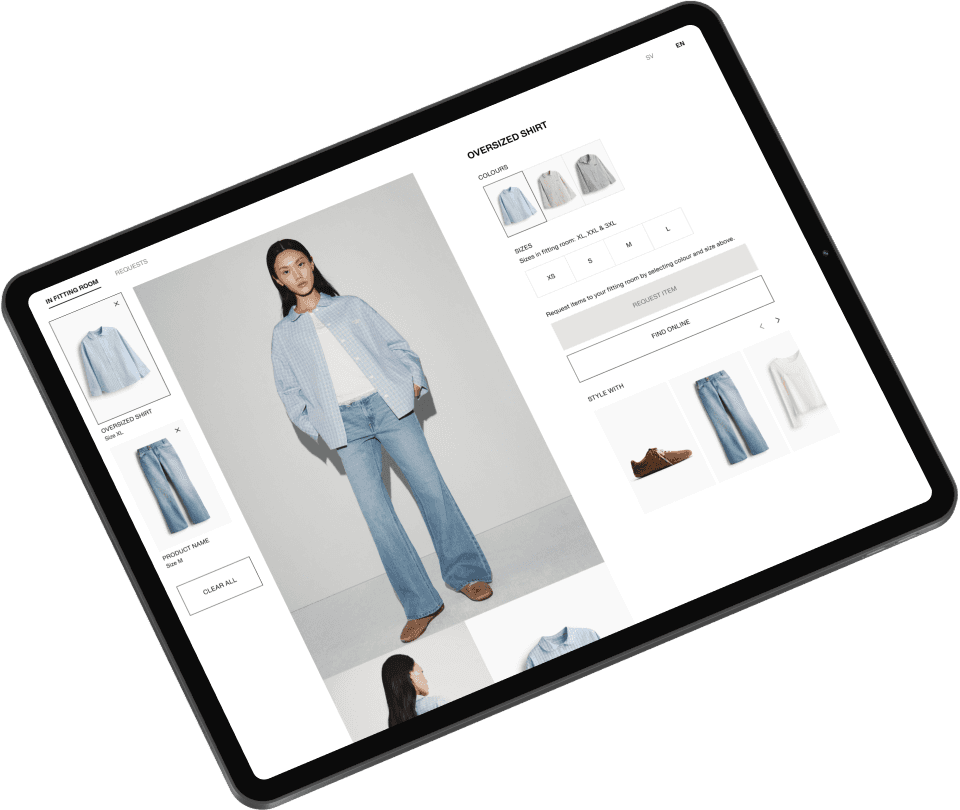
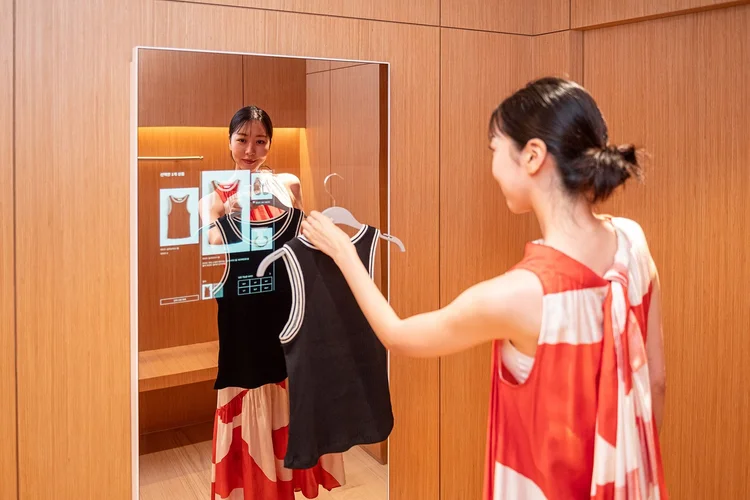
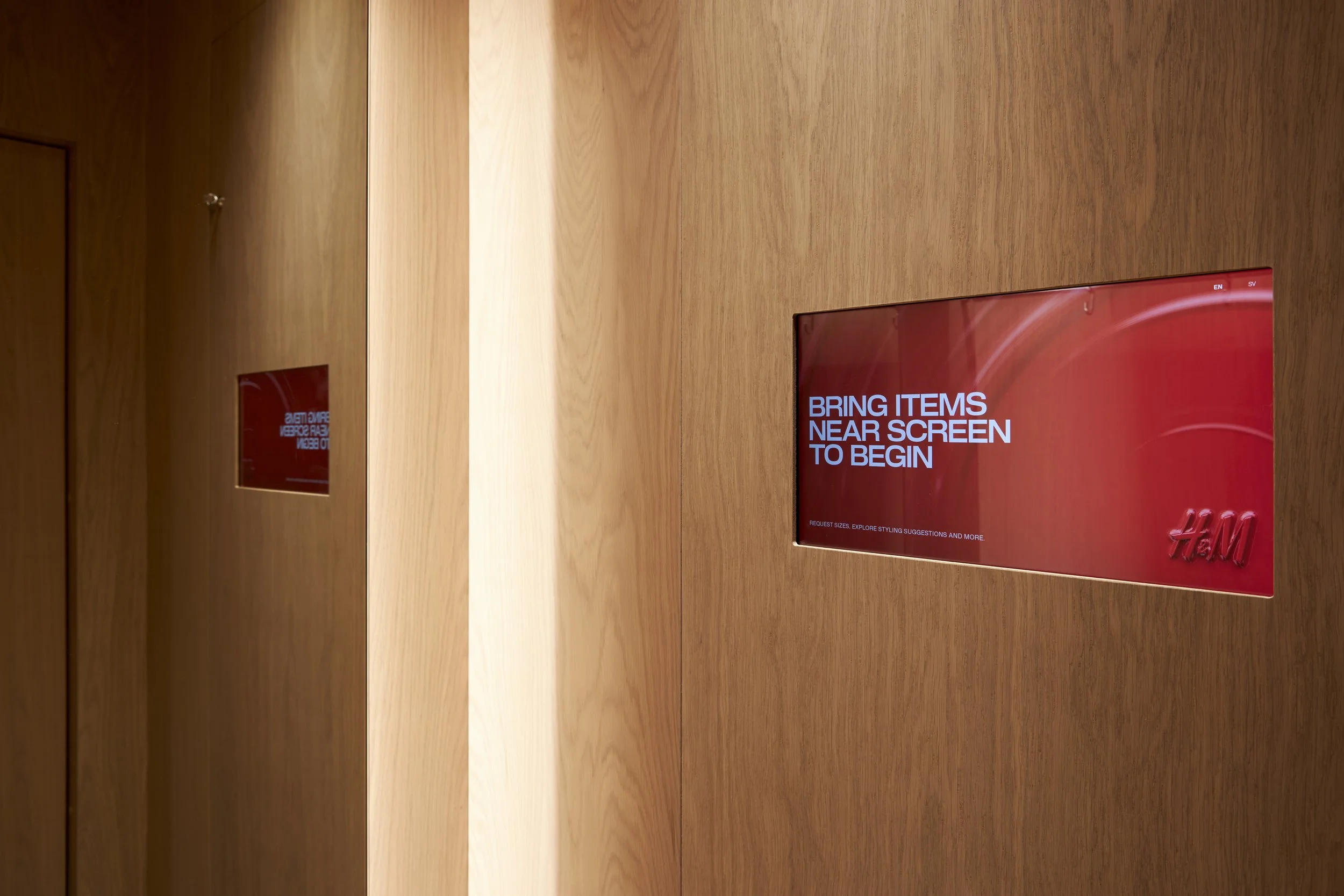
As part of H&M’s investment in elevating the in-store experience, I worked on the development of Smart Fitting Rooms. These fitting rooms are powered with RFID-readers and screens that automatically detect garments brought into the room and display them on a screen, allowing customers to request new sizes, browse related items, or access the online assortment — all without leaving the fitting room.
I contributed across research, design, testing, and launch, helping shape a more convenient try-on experience.
Challenge
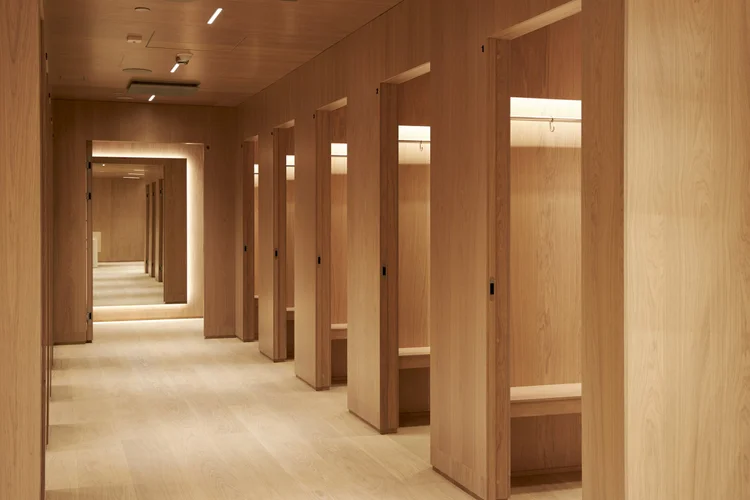
H&M stores are fast paced, with a large assortment that can be difficult for customers to navigate. Once you’ve found some pieces you like, you head to the fitting room to try on, and to make your purchase decision. It’s an intimate moment and a crucial one for the business. But what happens when the size isn’t quite right, or the colour doesn’t suit? Standing there mid-change, shoes off, asking for help can feel awkward — and staff might not be nearby. The hassle is often enough to make customers walk away. Our challenge was to improve the customer experience in fitting rooms and at the same time reduce drop-outs.
Approach
I joined the Smart Fitting Room project just as the direction had been set — with one clear mission: shape the concept to fit real customer needs.
Getting a grip
To get a grip on what we were working with, I started by running a usability audit on an early version of the smart mirrors already in use. From there, I mapped out opportunities based on these findings, secondary research, customer journeys, and feature prioritisation workshops.
Using Figma, I designed and iterated prototypes, refining everything from screen flow to copy — based on real-world insights. I worked closely with stakeholders across store operations and e-commerce to make sure we were not just building cool tech, but that we were solving the right problems.
Before launch, I led user testing with real customers and ran internal stress testing to ensure the system was solid.
Going live
Once acceptance testing was complete and the final bugs were sorted, we were ready for launch.
Solution
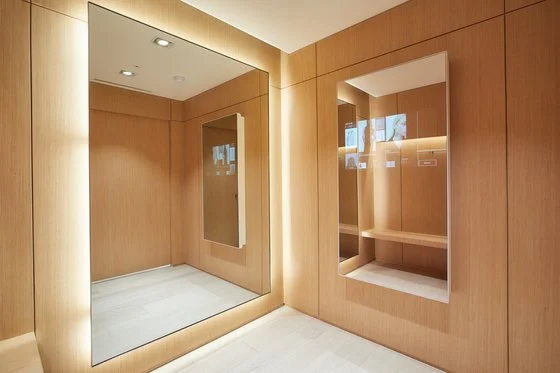
The solution we’d built combined RFID technology with a touch screen. As customers brought garments into the fitting room, items were detected automatically and displayed on the screen. From there, customers could easily request new sizes or colours without leaving the room — and even explore the online assortment if something wasn’t available in-store.
The Smart Fitting Rooms drew a lot of attention — some customers even came to the store specifically to check them out. Staff were excited and proud to show off the new feature, and it was clear that the solution sparked interest from day one.
Impact
To understand how the solution performed over time, I conducted two rounds of user research — one shortly after launch, and another a few months later, once the initial hype had settled.
The results showed clear value:
50% of customers used the Smart Fitting Room screens
4 requests per fitting room per day
Requested items have a 40% higher conversion rate
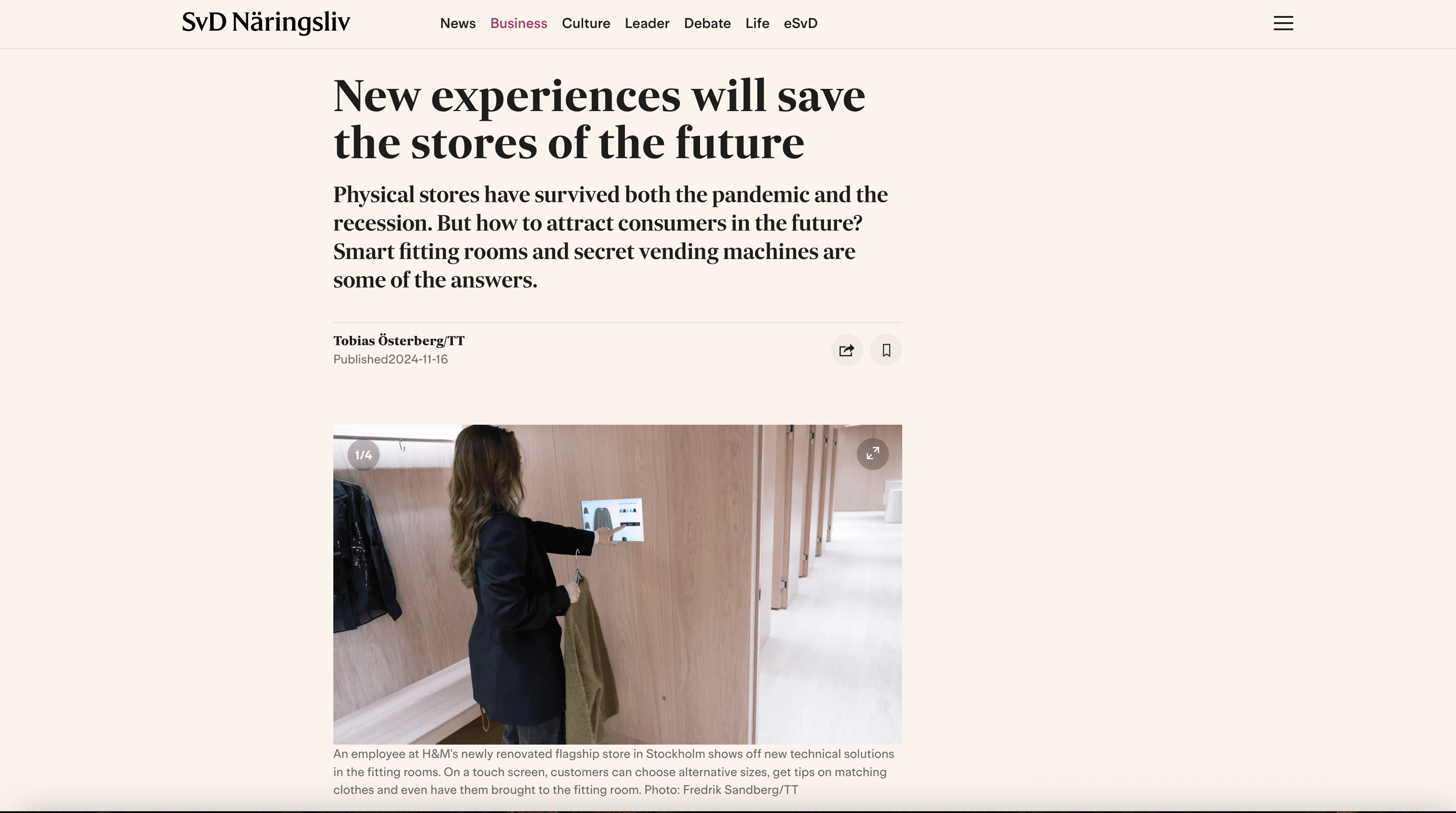
Besides creating convenience for customers, it clearly drew a lot of attention in media — both through customer's social media posts and in traditional media. Here's a clip-out from when we were featured in an SvD (The Swedish Daily News) article.
Reflection
While customers appreciated the screens, the research revealed a key issue: many of the requested items weren’t being delivered. It turned out the notification system was at fault, causing staff to often miss incoming requests. This insight shifted our focus — the biggest challenge was no longer the customer-facing experience, but the staff-facing software. From this point on, making sure the staff app worked reliably has become our top priority.
On a personal level, this project was a big step in my growth as a designer. Coming from working with experiences restricted to only a digital interface, I now had the chance to explore experience design in a set physical context relying on an Internet of Things (IoT). It really got me excited about the future of “smart” design. Now I look forward to doing more IoT projects that seamlessly combines input from the real world to create exceptional convenience for people.